 Tractor Spare Parts
 Farm Implements
 Lubricants&Additives
 Gardening & Outdoor
 Workshop & Industry
 Forestry & Wood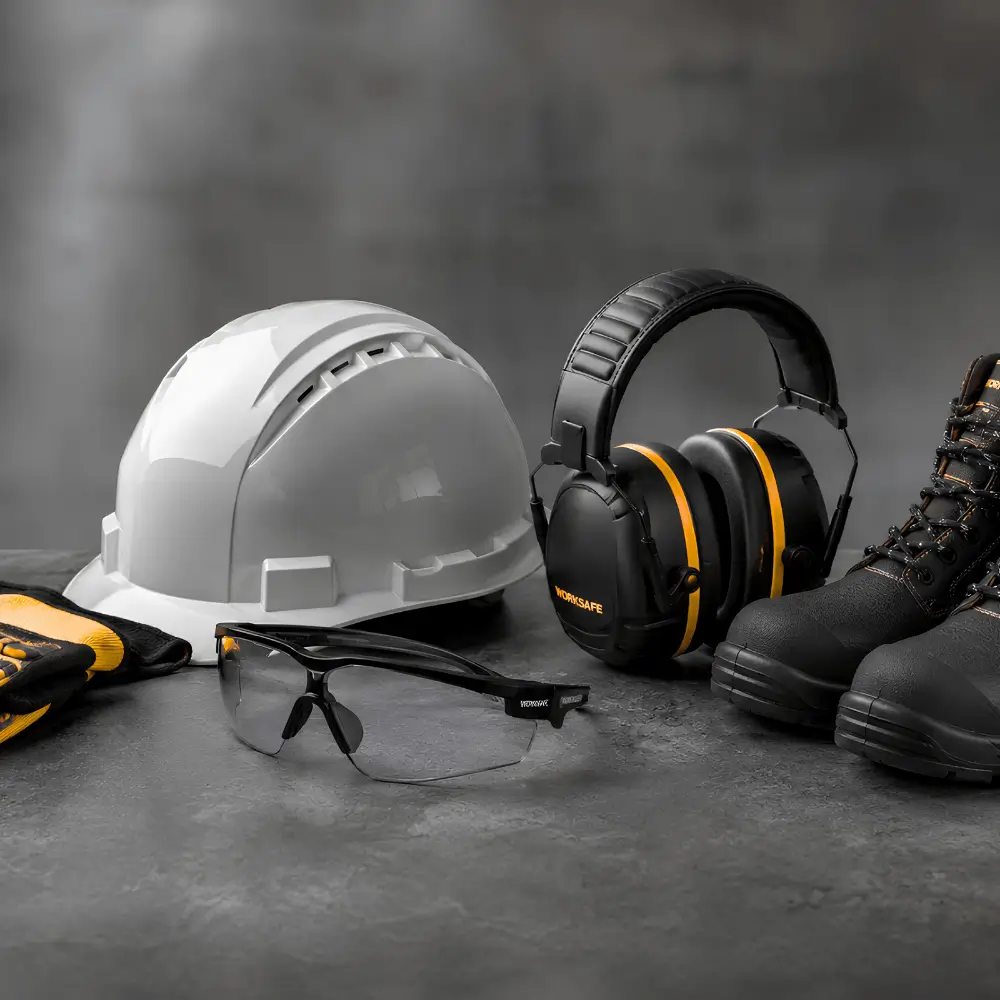
In this article
Complete PPE Guide: Technical Clothing and Safety
Safety in the agricultural, industrial, and gardening sectors is no longer just a regulatory requirement; it is a pillar of operational efficiency. A protected operator works better and with fewer risks. In this technical deep dive, we will analyze how to choose the right technical clothing and PPE for the challenges of 2026.
Products mentioned
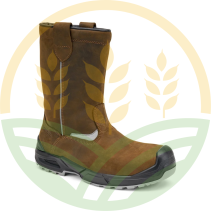

Safety Footwear: The Difference Between S1P and S3
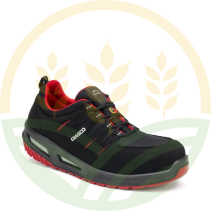
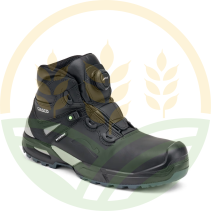
Many professionals still confuse protection classes. While S1P footwear is ideal for dry environments, the agricultural and industrial sectors almost always require the S3 standard. S3 footwear must offer water repellency (WRU) for working in mud or wet conditions, an anti-perforation sole made of ballistic textile fibers (lighter and more flexible than steel), and a composite toe cap, which does not conduct heat and does not trigger metal detectors.
💡 Technical Tip Always choose composite toe caps for long working days: they keep feet cooler in the summer and insulated from the cold in winter, significantly improving comfort.
Hand Protection and High Visibility
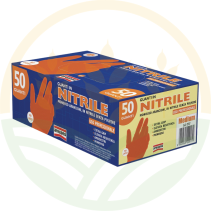
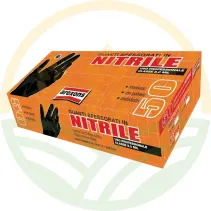
Hands are your most valuable tool. For mechanical maintenance, gloves with impact protection on the knuckles are now standard. In agriculture, sandy nitrile gloves provide the grip needed even with oil or wet surfaces, reducing muscle fatigue.
Regarding clothing, the EN ISO 20471 standard defines high-visibility requirements. Modern fabrics selected by Agrokron integrate Stretch fibers, ensuring maximum freedom of movement without sacrificing the safety certification required when operating near moving machinery.
Workwear 2026: Ergonomics and Layering
Overheating leads to loss of concentration. Modern technical clothing utilizes the layering principle: breathable fabrics that wick away sweat while maintaining body temperature, which is essential for long work sessions of up to 12 hours.
Work with peace of mind
From head to toe, we protect the value of your daily work.